About
Serdar Akdeniz is a contemporary artist whose work focuses on surface, time, and material formation.
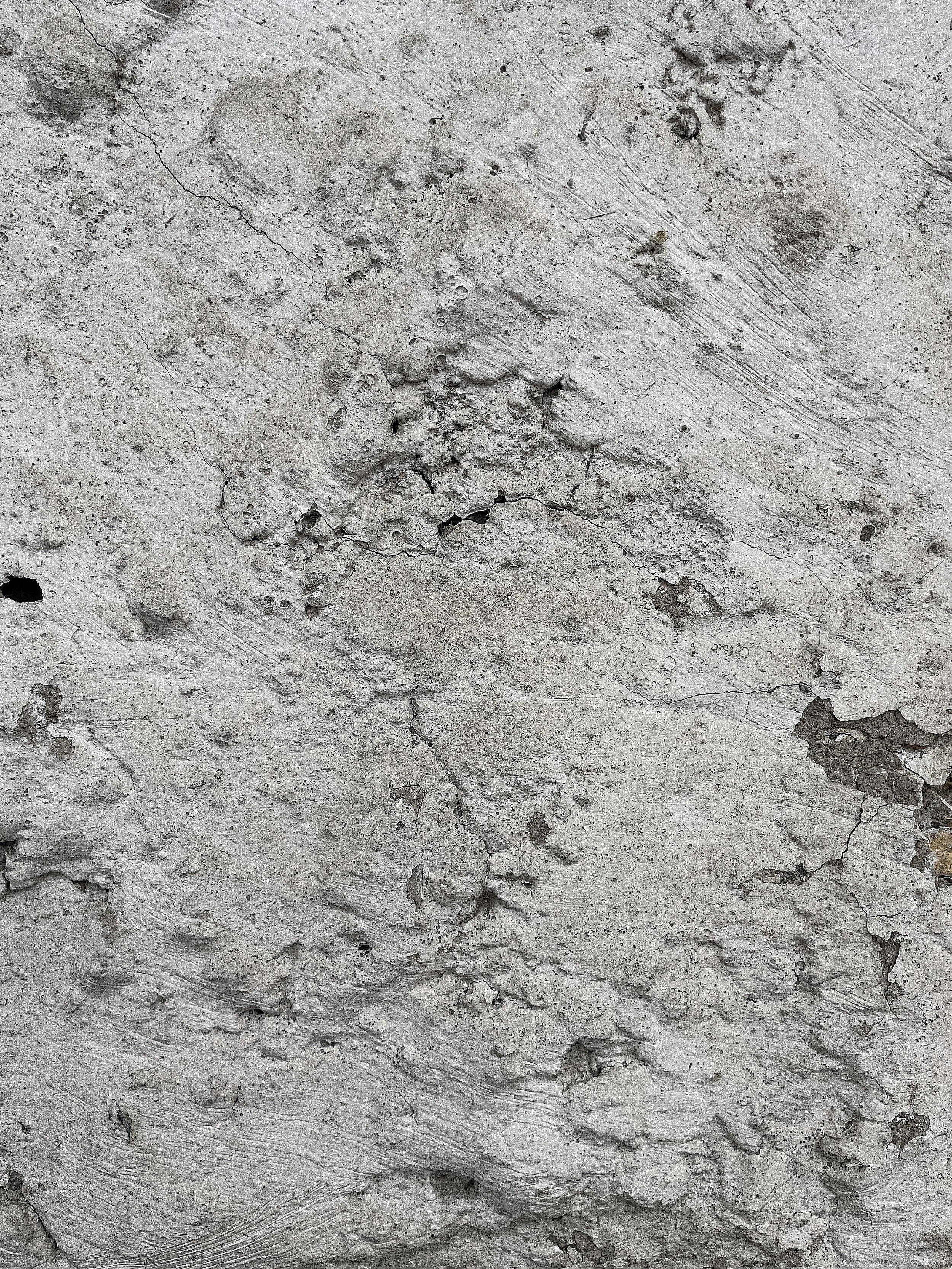
My work begins with an attention to surfaces. Some are encountered during walks through urban and natural environments, where traces of time are observed and collected before being reconstructed digitally. Others are generated through material processes that allow new surfaces to emerge. In both cases, these encounters are not sources of imagery but points of departure for a process of inquiry.
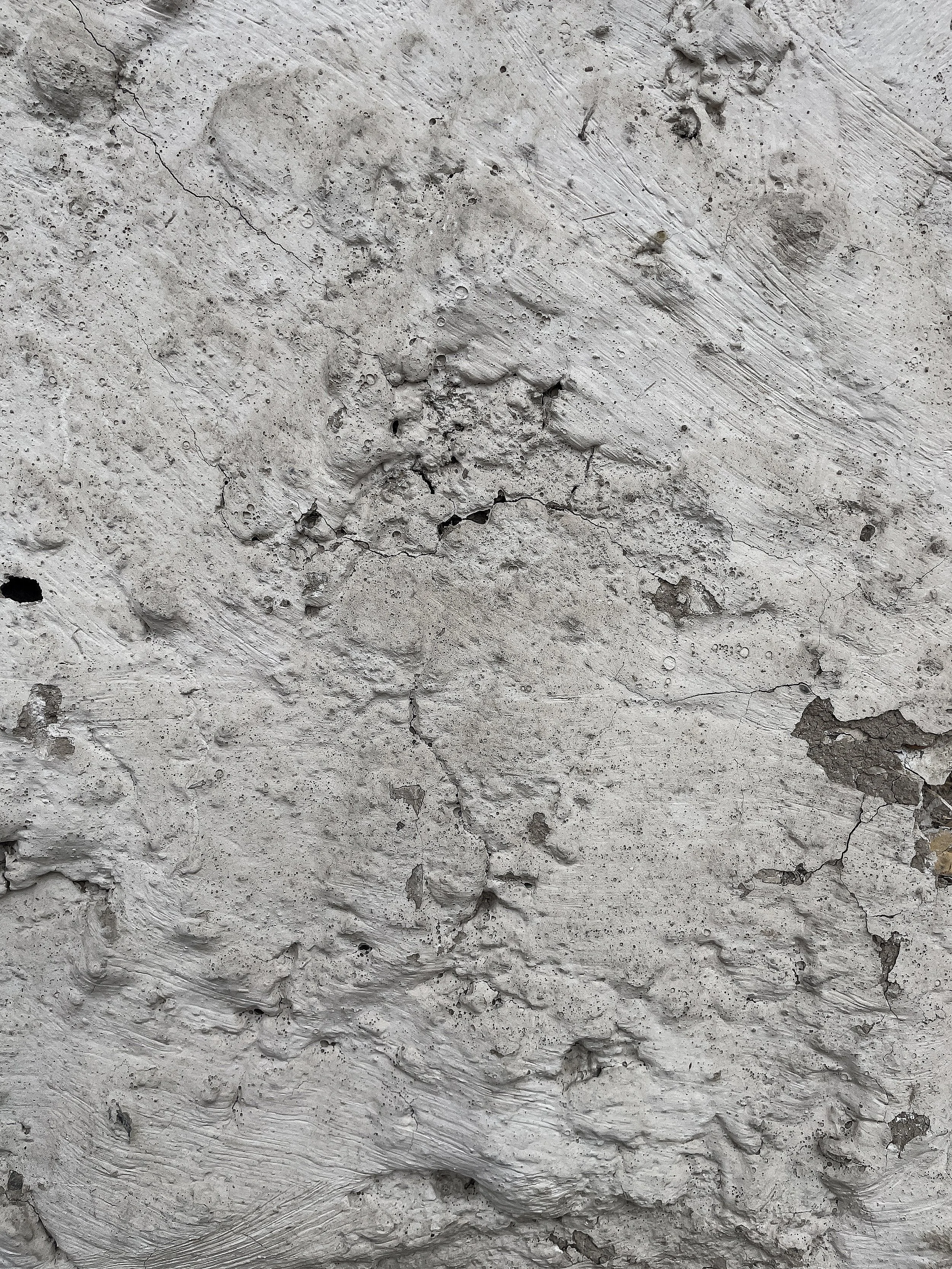
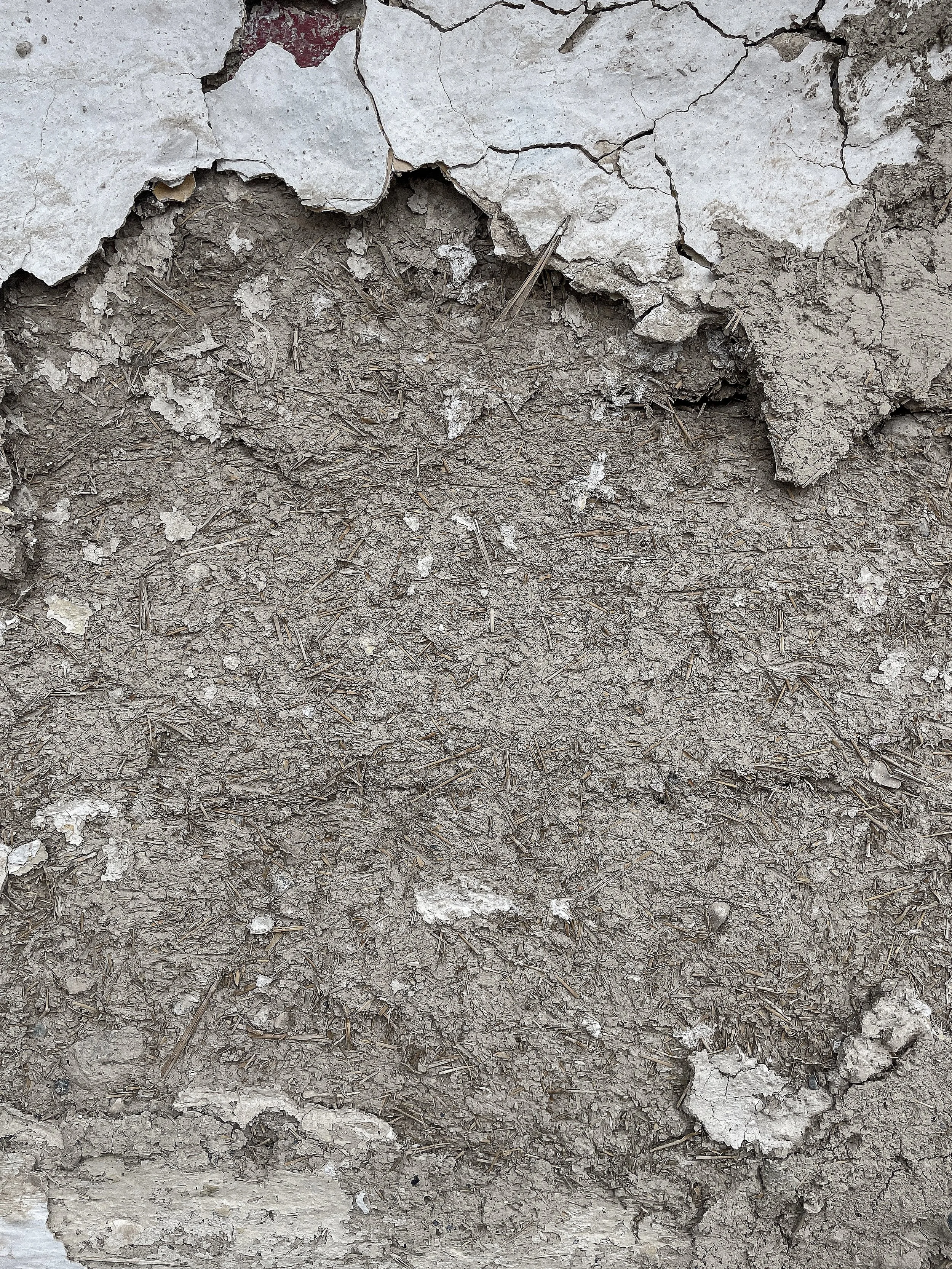
Weathered walls, mineral textures, aging materials, atmospheric layers — these are not simply visual motifs but traces of longer processes unfolding in the world. I am interested in the subtle transformations that occur when matter is exposed to time, environment and interaction.
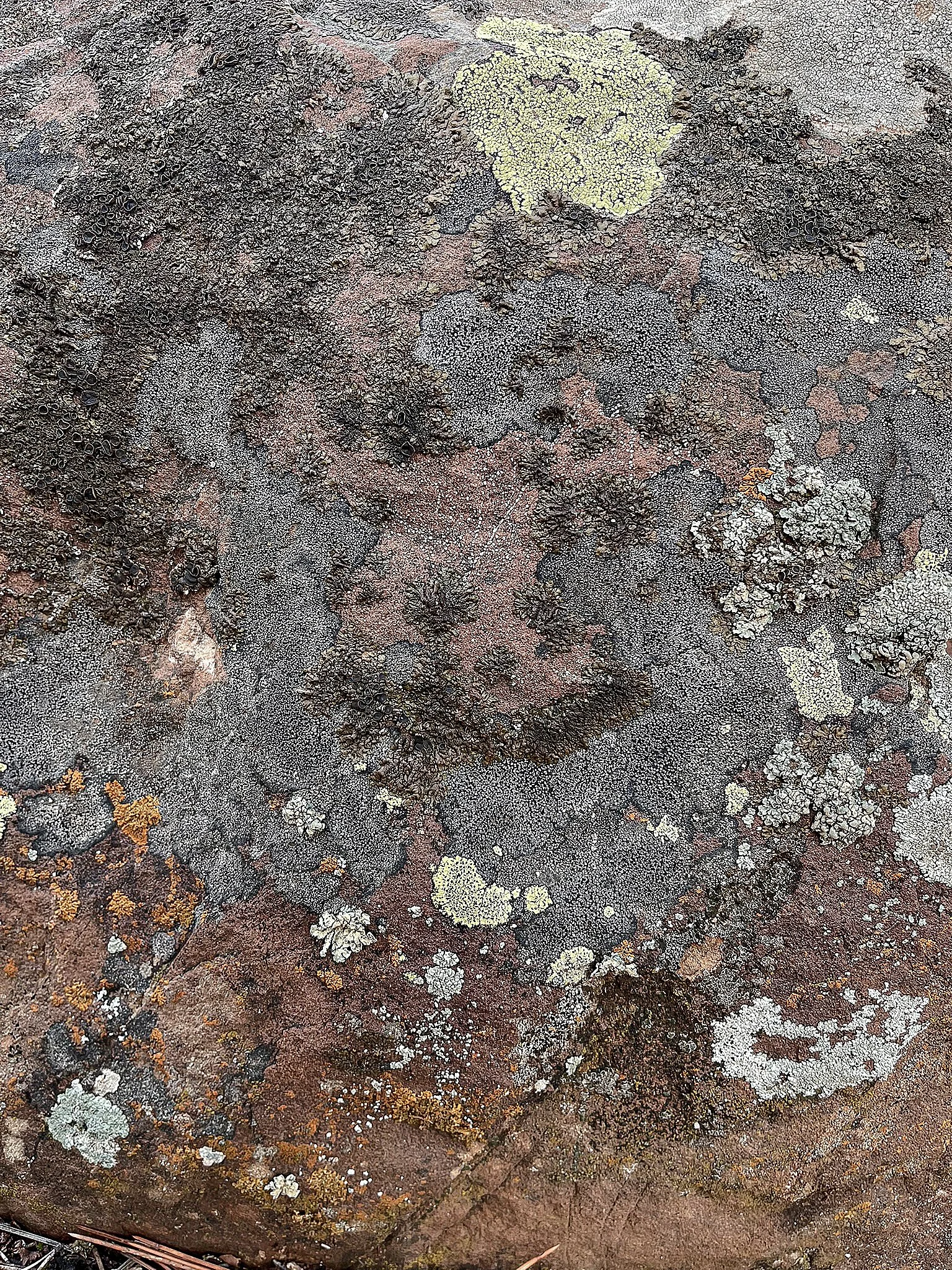
Rather than pursuing a fixed medium or style, my practice begins with the search for conditions through which an image can emerge. I do not begin by deciding what to depict. Instead, I construct the conditions through which materials can act according to their own behavior. These processes are initiated, observed, allowed to unfold, and only gradually met through careful intervention. The image is not predetermined; it emerges through this dialogue rather than through illustration alone. Materials are not passive media but active participants whose own behavior contributes to the formation of each work.
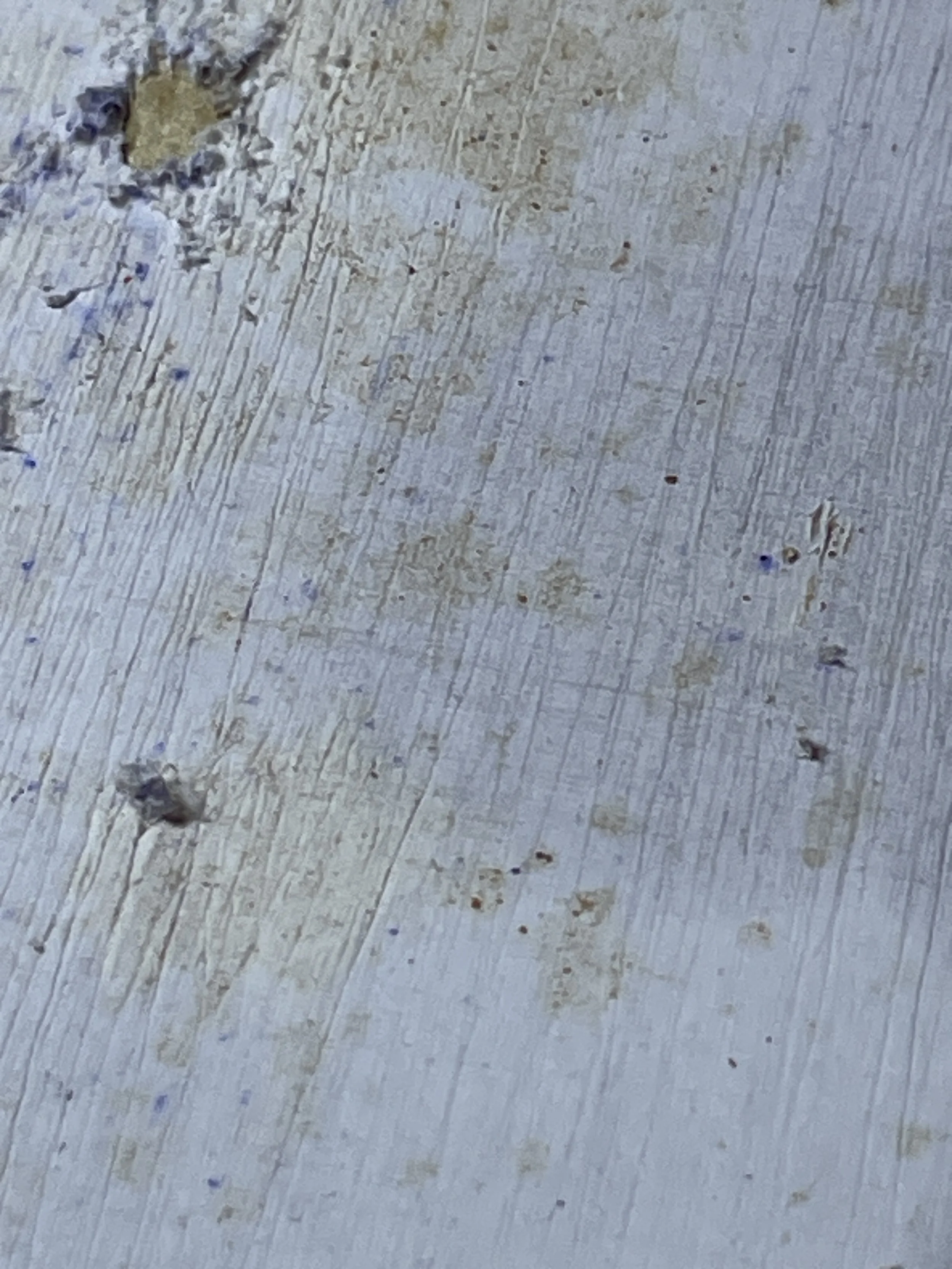
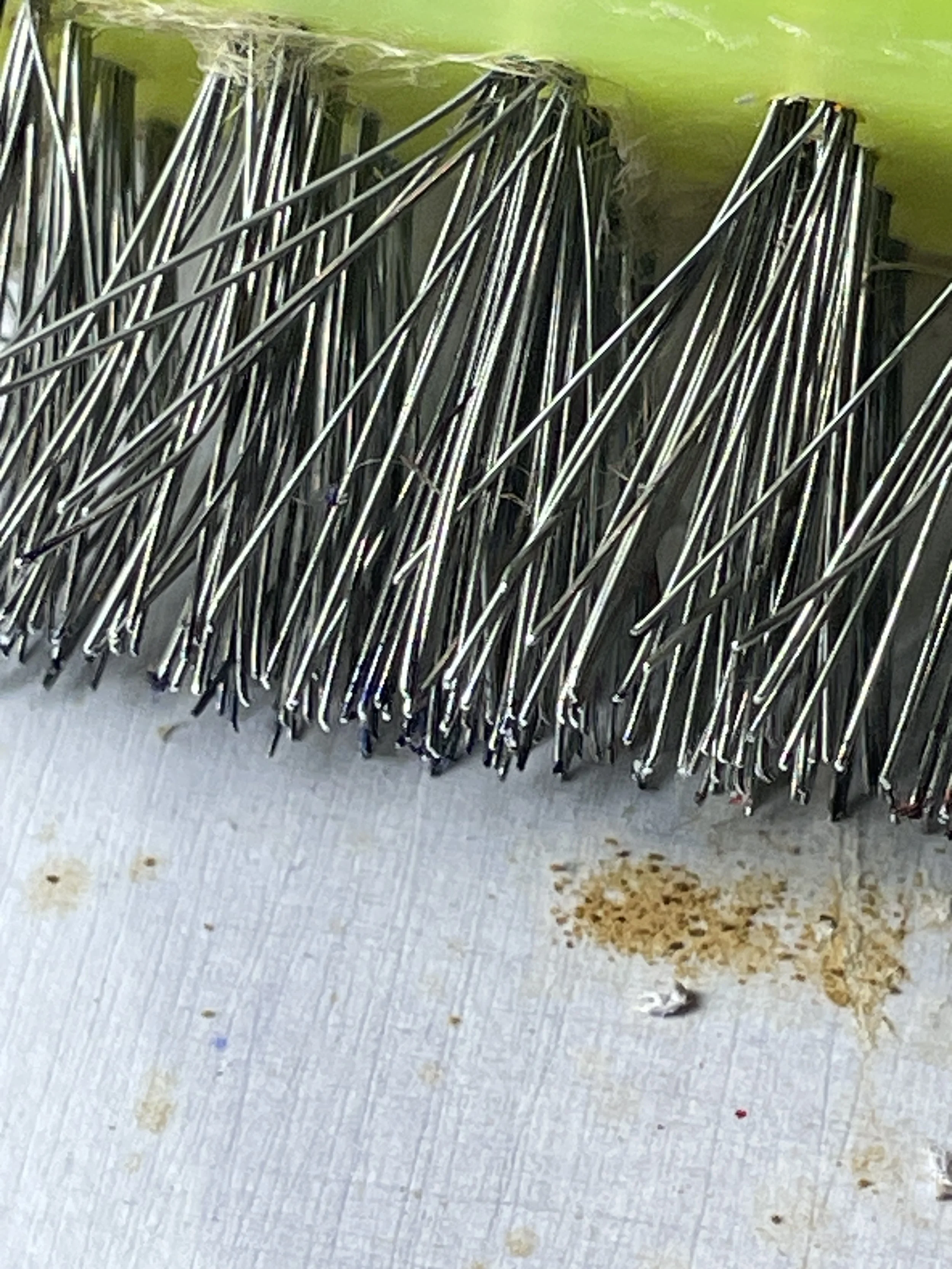
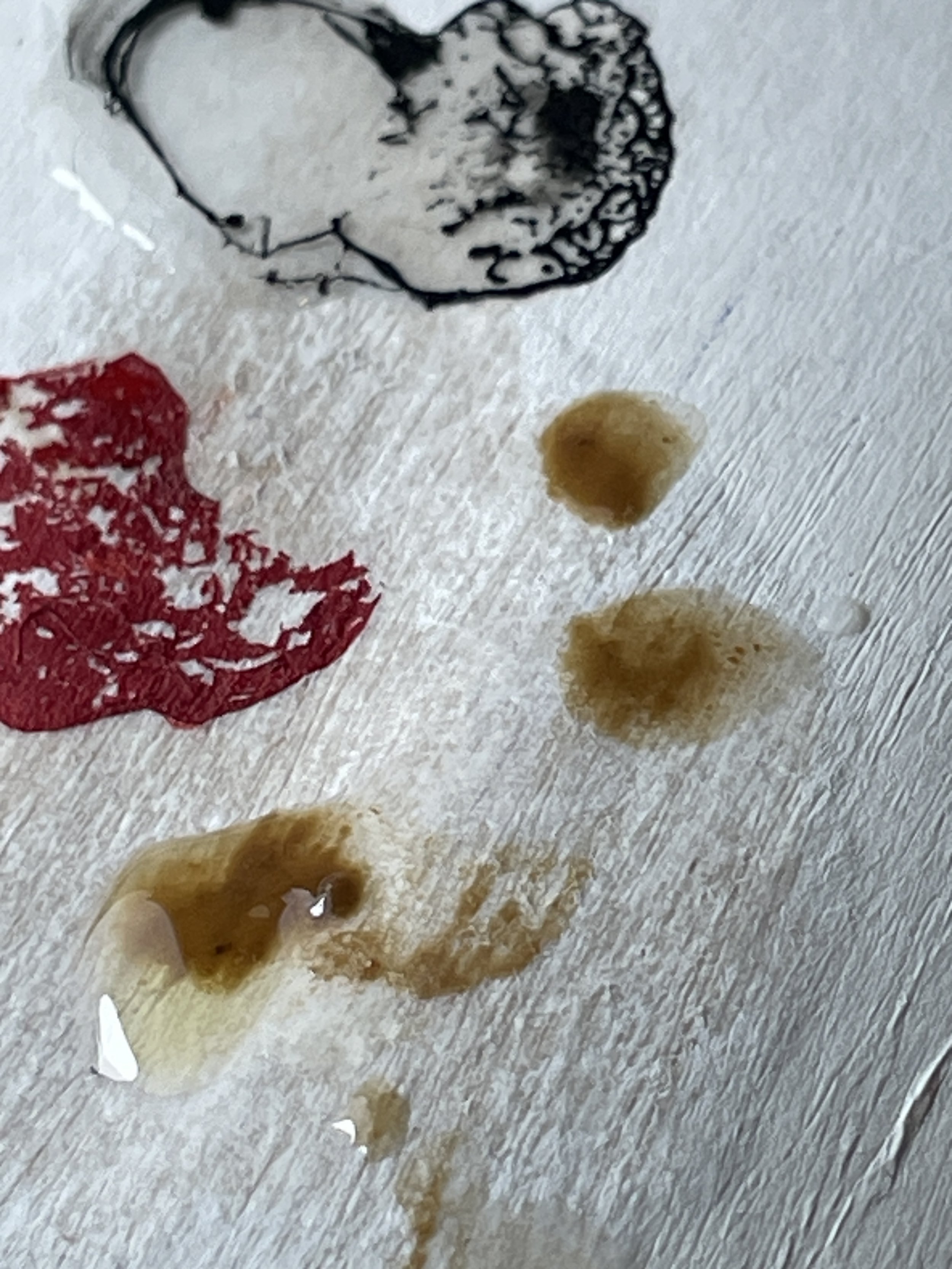
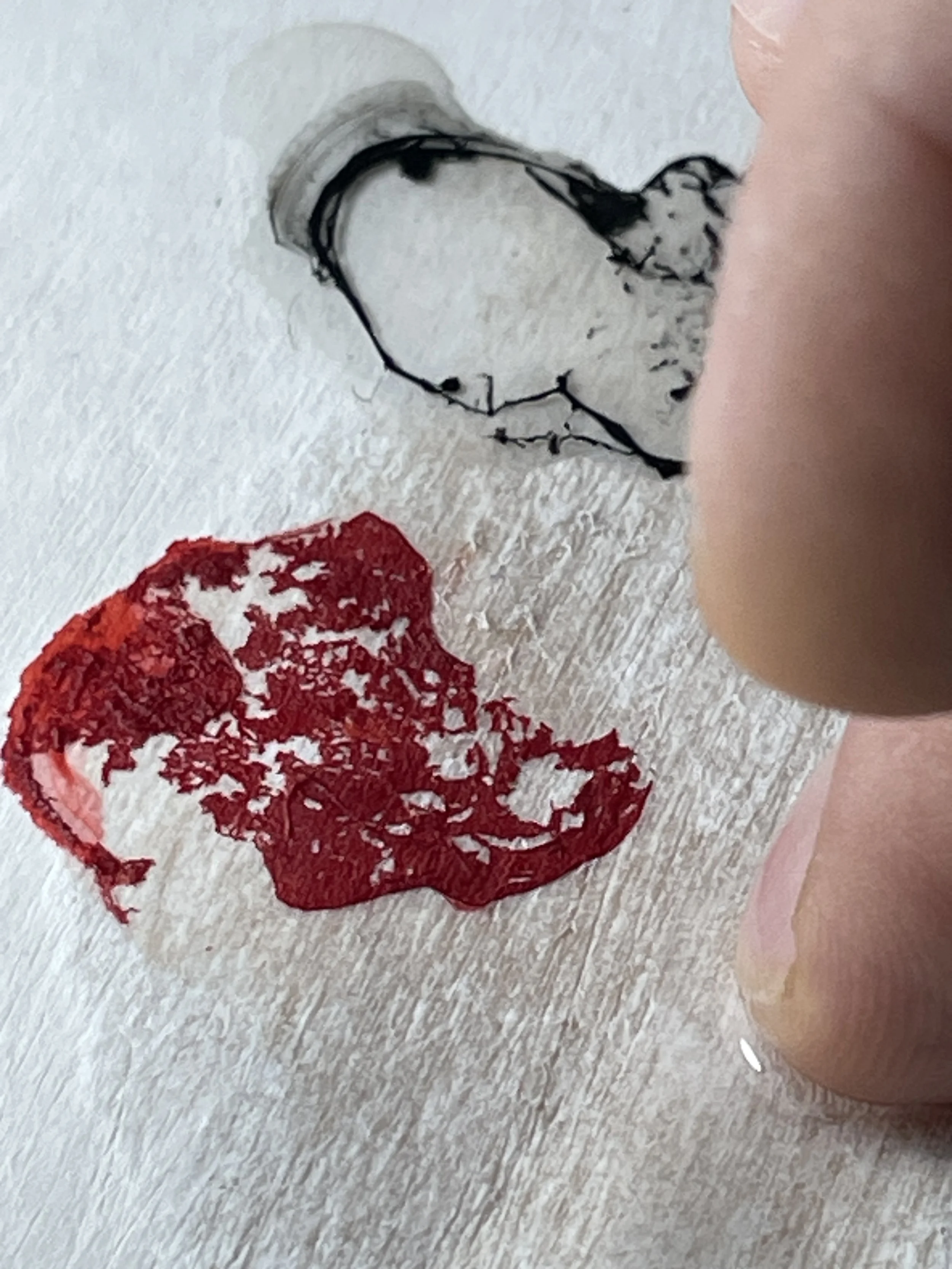
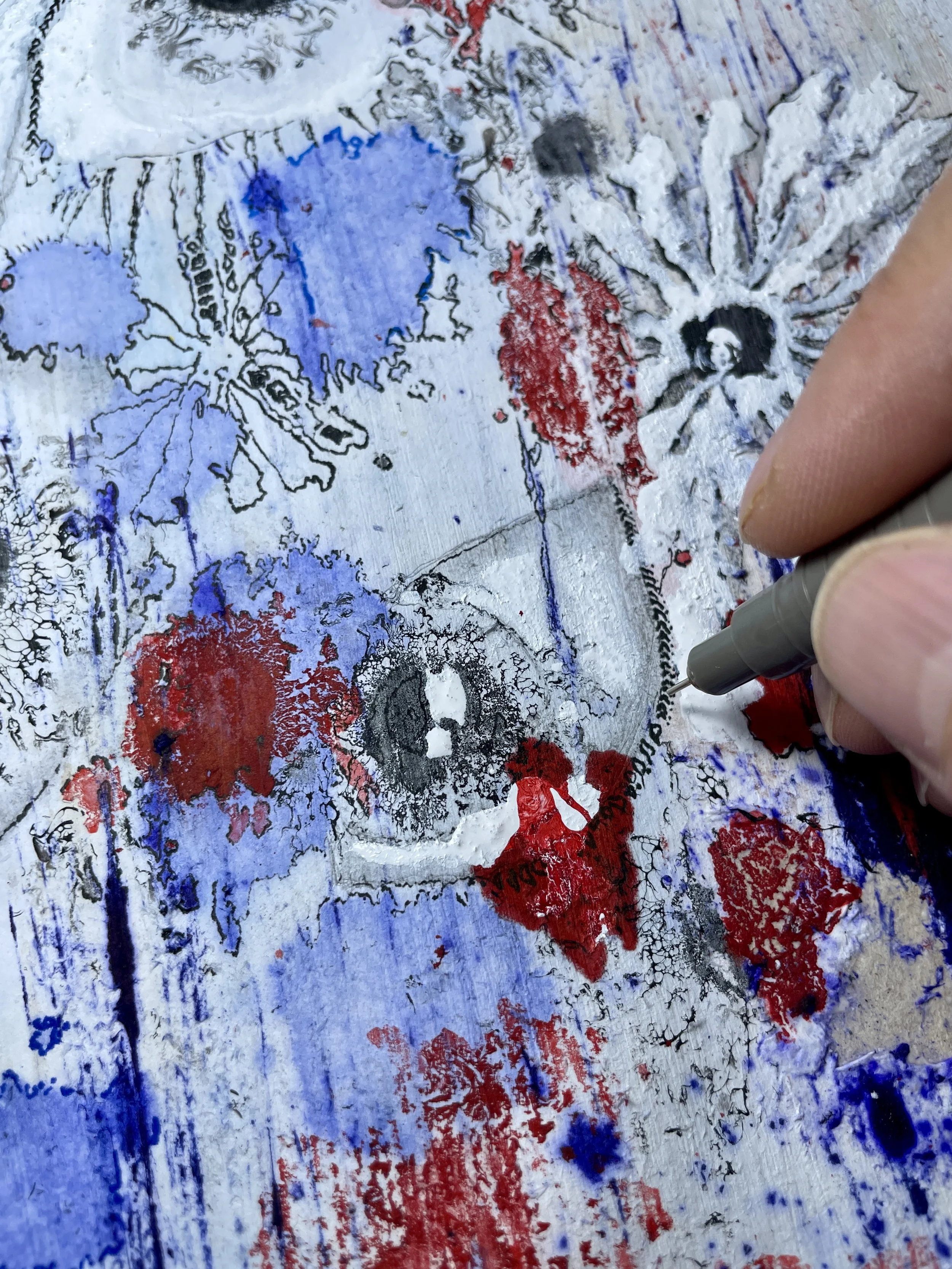
What appears as erosion, aging or decay often carries its own form of beauty. I am drawn to these moments where change leaves visible marks on the surface of the world — moments in which form becomes a record of time.
My work is therefore not an attempt to depict objects, but to construct conditions in which material processes can unfold. Some works develop across two material stages: physical processes first establish the work's formation, which is then reinterpreted through digital reconstruction and archival pigment printing. These are not separate practices but different material languages through which the same inquiry continues. Rather than reproducing an image, the second stage allows the work to unfold again under a different set of material conditions.
Across different materials, processes, and scales, the underlying question remains the same: under what conditions can time become visible through the behavior of surfaces and materials?
The title Minimal Poise does not refer to an aesthetic preference but to a way of working. Each work develops through continual adjustment between constructing conditions and allowing materials to follow their own behavior. It is neither complete control nor complete surrender, but a measured state of attention: knowing when to construct, when to observe, and when to participate.
Conditions of Emergence
This understanding of practice has led me to investigate processes in which the outcome is not entirely predetermined by the artist.
In physical work, I construct conditions through materials such as ink, water, paper, fabric, absorption, wetness, pressure, and their interactions. I deliberately establish circumstances in which materials can respond to one another beyond my complete control.
My recent experimentation with generative AI extends this inquiry into another kind of process.
Here, physical materials and conditions are replaced, or supplemented, by images, references, data, instructions, and other forms of input. I establish the conditions from which an image may emerge, while the algorithmic system produces a response that cannot be entirely determined in advance.
These processes are not equivalent. Material behaviour and algorithmic behaviour arise from fundamentally different conditions. Yet their difference allows a question to emerge that is increasingly central to my practice:
What is the relationship between an unexpected response from a material and an unexpected response from an algorithm?
In both cases, I deliberately introduce a degree of uncertainty into the process. I construct, initiate, observe, select, reject, and intervene, but I do not completely determine the result.
This raises a broader question about artistic agency:
Does the role of the artist reside in controlling the outcome, or in constructing the conditions through which an outcome can emerge?
And when the nature of those conditions changes — from material interactions to algorithmic processes — what happens to authorship, labour, intention, and the value we attribute to the resulting work?
I am not interested in treating AI as either a replacement for the artist or simply as another neutral tool. I am interested in what its presence reveals about the conditions of making themselves.
AI is therefore not a subject added to my practice. It is another condition through which I can investigate what I have been investigating all along:
how things come into being, and what makes them matter.
I am not searching for an image. I am searching for a method.
Minimal Poise is the platform through which these investigations are shared.
For glimpses into the studio and the physical processes behind the work, visit Studio Notes.
Publications
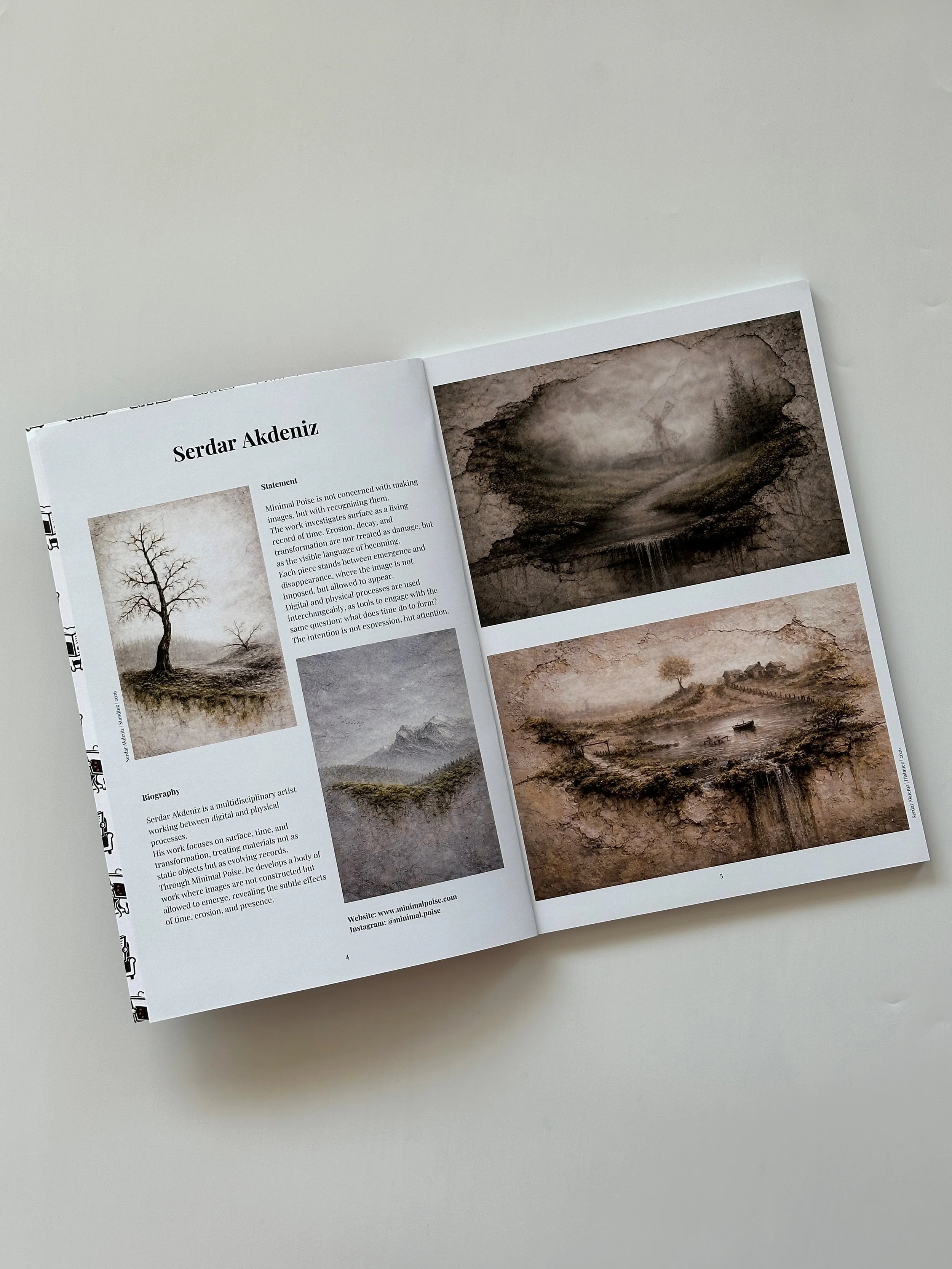
·Publication - Arty Rat Magazine Issue #3
Four works from Surfaces of Becoming were selected for publication in Issue #3 of Arty Rat Magazine (May 2026). View the publication
Recognition
·BUAT Curatorial Award 2026 – Preselected Artist
Preselected for the international BUAT Curatorial Award 2026 (Barcelona, Spain).